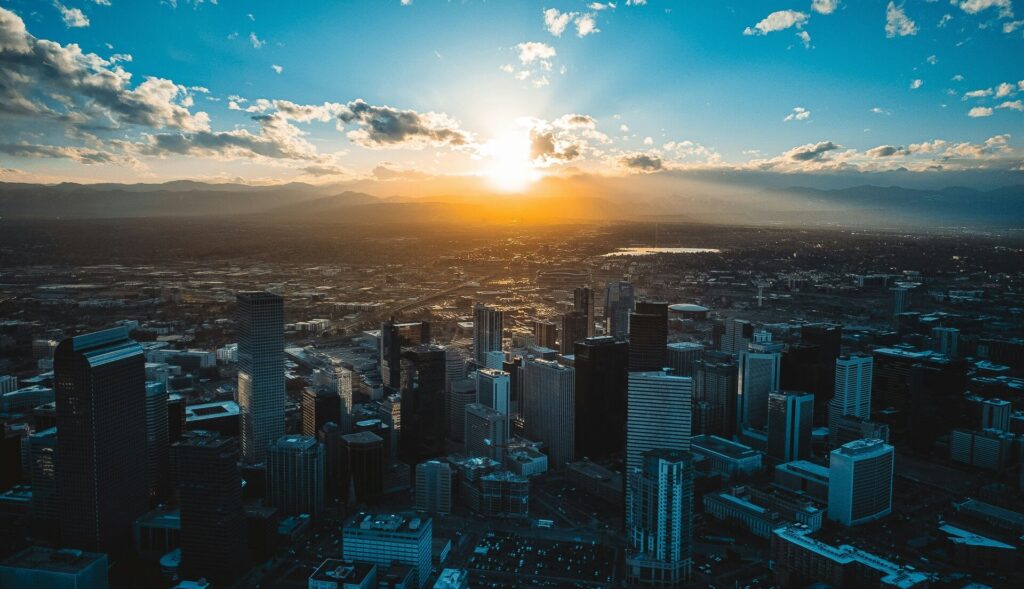
Living in Seattle is unlike anything you have experienced in Central Florida — and that is precisely the point. Imagine swapping the relentless humidity of Orlando for crisp mountain air, world-class coffee, and a skyline framed by snow-capped peaks. This is not just a change of address. It is a complete reinvention of your daily life, and nearly 3,000 miles of open road stand between you and that fresh start.
Whether you are chasing a career opportunity at a major tech company, seeking a slower, nature-driven lifestyle, or simply ready for something radically different, this guide will walk you through everything that matters — neighborhoods, costs, housing, jobs, and how to get there without losing your mind in the process. At Kerb, we have helped hundreds of Floridians make this exact leap, and we are here to make sure yours goes smoothly.
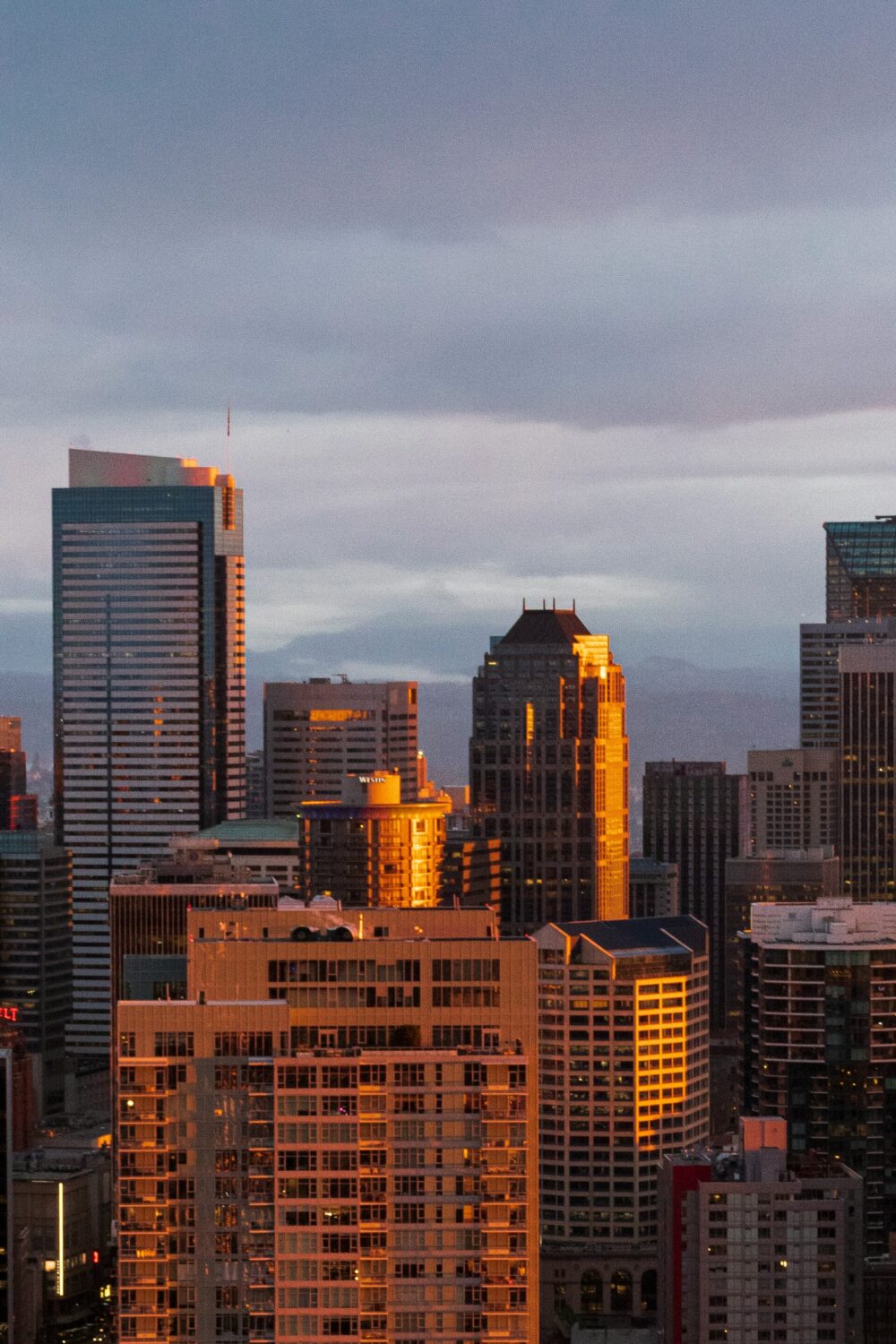
Leaving Orlando Behind — What You Are Really Walking Away From
Orlando is a city built around energy, warmth, and entertainment. Between the roar of theme parks, the buzz of I-4 at rush hour, and the kind of summer heat that makes stepping outside feel like walking into a dryer — it is a place that never really slows down.
What you leave behind matters:
- Zero state income tax — though Washington State also has no income tax, so you are not losing ground here
- Year-round warm weather and beach access within 45–90 minutes
- A lower cost of living, particularly in housing and dining
- Hurricane season — yes, this one you will not miss
- Flat, predictable terrain that makes driving easy
- Heavy humidity and intense UV exposure for eight-plus months a year
Recognizing what you are leaving helps you appreciate what you are gaining. This is not about better or worse — it is about what fits your next chapter.
Living in Seattle: A City That Earns Its Reputation Every Single Day
If there is one thing Seattle residents agree on, it is this: once the city gets under your skin, there is no going back. Living in Seattle means existing at the intersection of ambition and adventure, where a Monday morning pitch meeting in a downtown high-rise can easily lead to a Wednesday evening hike in the Cascade foothills.
Seattle runs on three things: exceptional coffee, the great outdoors, and a deeply embedded culture of sustainability. The city is one of the most eco-conscious in the United States, with robust public transit, widespread green energy initiatives, and a fierce loyalty to local businesses over national chains.
And the rain? It is dramatically overstated. Seattle actually receives fewer annual inches of rainfall than both Orlando and New York City. What it does have is more days of soft, misty precipitation — the kind that locals barely acknowledge. Residents do not use umbrellas. They layer up and get on with it.
The summers, however, are genuinely spectacular. Long daylight hours, temperatures comfortably in the 70s and low 80s, and access to kayaking, paddleboarding, and mountain trails make June through September some of the finest months you will experience anywhere in the country.
The Real Lifestyle Shift — Four Things That Change Immediately
Your Relationship With the Weather Becomes a Partnership
In Orlando, weather is something you endure. In Seattle, it is something you participate in. The city has four genuine, mild seasons — without the extremes of the Midwest or the monotony of the South. Winter brings gray skies and light rain. Spring is lush and green. Summer is glorious. Fall is crisp and golden. Seattleites do not wait for perfect conditions; they build their lives around every season.
The Landscape Demands Respect
Orlando is essentially flat. Seattle is not even close. The city is famously hilly, perched between Puget Sound to the west and Lake Washington to the east, with the Olympic Mountains on one horizon and the Cascades — including the iconic Mount Rainier — on the other. This geography makes Seattle one of the most visually dramatic cities in America, but it does require adjusting to hills both on foot and behind the wheel.
Your Wardrobe Gets Practical (and Better)
“Seattle casual” is a real aesthetic — and it is actually quite elevated. High fashion takes a comfortable back seat to functional, layered, and weather-resistant clothing. Think quality fleece, well-made flannels, waterproof trail runners, and insulated jackets. You will spend less on cocktail attire and more on gear that actually improves your life outdoors.
Your Weekends Get an Upgrade
Instead of theme parks and beach highways, your new weekends might involve Discovery Park, Snoqualmie Falls, the San Juan Islands, or a morning ski run at Crystal Mountain. The recreational opportunities around Seattle are genuinely world-class, and most residents find themselves more active within the first six months of arriving than they ever were before.
The “Seattle Freeze” Is Thawing — How to Find Your Community
You may have heard of the “Seattle Freeze” — the local reputation for being polite but emotionally reserved, making it harder than expected to build genuine friendships. It is not entirely a myth, but it is a far less significant barrier in 2026 than it once was.
Seattle is now home to an enormous population of transplants from Florida, California, Texas, and beyond. The city has grown rapidly, and with that growth has come a more open, diverse social culture. The best way to integrate quickly:
- Join a hiking or cycling club — outdoor communities here are incredibly welcoming
- Attend tech networking events or startup meetups if you work in that space
- Get involved in your neighborhood association — Seattle’s neighborhood identity is strong
- Explore the weekend farmers markets — Ballard’s in particular is a genuine community anchor

Auto Shipping
Are you looking for the best auto shipping company near you? Give Kerb a call, ask for a free quote and book our top-notch car transportation services.

Packing Services
When the time comes for us to relocate, we seek to find any possible help that will ease the whole process.

Storage Services
Are you looking for storage services in your area? Kerb offers some of the best storage facilities in the country!
Cost of Living Comparison — Orlando vs. Seattle in 2026
There is no diplomatic way to say this: Seattle is more expensive than Orlando. But understanding where the cost difference lies — and where it does not — helps you budget realistically and avoid sticker shock.
The great news: Washington State has no state income tax, just like Florida. If you are moving for a well-compensated tech or professional role, your net income may actually improve despite higher living costs.
| Expense Category | Orlando, FL | Seattle, WA | What to Know |
|---|---|---|---|
| Basic Utilities (Monthly) | $160 – $200 | $220 – $260 | Seattle winters require heating; expect slightly higher bills Oct–Mar |
| Groceries (Weekly for Two) | $120 – $150 | $160 – $200 | Local and organic markets dominate; quality is noticeably higher |
| Dining Out (Mid-Range, Two) | $65 – $80 | $90 – $120 | Higher minimum wage drives up restaurant prices, but the food scene earns it |
| Monthly Transit Pass | $50 (LYNX) | $100 (ORCA Card) | Seattle's transit is vastly more comprehensive and reliable than Orlando's |
How Much Does It Cost to Move from Orlando to Seattle?
A cross-country move of nearly 3,000 miles is a significant financial commitment, and planning your budget accurately from the start will save you considerable stress. The cost of hiring professional long-distance movers depends primarily on the volume of your belongings and the level of service you choose.
Beyond the move itself, financial advisors recommend arriving in Seattle with $10,000 to $15,000 in reserves to cover first and last month’s rent, a security deposit, travel costs, and your first few weeks of higher living expenses while you find your footing.
At Kerb, we provide transparent, customized quotes with no hidden fees — because surprises are fine on birthdays, not on moving day.

Seattle’s Housing Market — Competitive, Beautiful, and Worth It
The Seattle housing market in 2026 remains active and competitive. Rapid price growth has leveled off somewhat since the early 2020s, but inventory stays tight — a direct result of the city’s unique geography. Seattle literally cannot sprawl the way Florida cities can. Mountains and water constrain development, which keeps demand high and supply limited.
For newcomers, renting first is strongly recommended. Spending six to twelve months in the city before buying gives you the space to understand which neighborhood genuinely suits your lifestyle — a decision that is worth far more than the rent you pay in that time.
| Housing Type | Monthly Rent (Avg.) | Purchase Price (Avg.) | Best Fit |
|---|---|---|---|
| 1-BR Apartment (City Center) | $2,200 – $2,800 | $450K – $600K | Single professionals, tech workers, urban lifestyle seekers |
| 2-BR Apartment (Suburbs) | $2,400 – $3,100 | $650K – $850K | Couples, remote workers needing dedicated office space |
| 3-BR Single-Family Home | $3,500 – $4,800+ | $950K – $1.4M+ | Families prioritizing schools, yards, and neighborhood stability |
The Best Neighborhoods in Seattle — Finding Your Perfect Corner of the City
Seattle is famously described as a “city of neighborhoods” — and that phrase earns its cliché status. Each area has a fully realized identity, architectural character, and community personality. Here is an honest breakdown of where different types of people tend to thrive:
Capitol Hill — Urban Energy at Its Finest
The undisputed cultural heartbeat of Seattle. Capitol Hill is dense, walkable, and electric — packed with the city’s best independent coffee shops, acclaimed restaurants, indie music venues, and a thriving LGBTQ+ community. If you want to be in the center of everything happening in Seattle, this is your neighborhood. Best for young professionals and creatives who want zero commute to culture.
Ballard — Where a Fishing Village Grew Up
Northwest Seattle’s Ballard neighborhood has an extraordinary character — Scandinavian heritage, a weekend farmers market that draws the entire city, excellent craft breweries, boutiques, and some of the best seafood restaurants in the Pacific Northwest. It feels like a small, self-sufficient town that just happens to exist within a major city. Best for young families and food-forward residents who value walkability with a bit more breathing room.
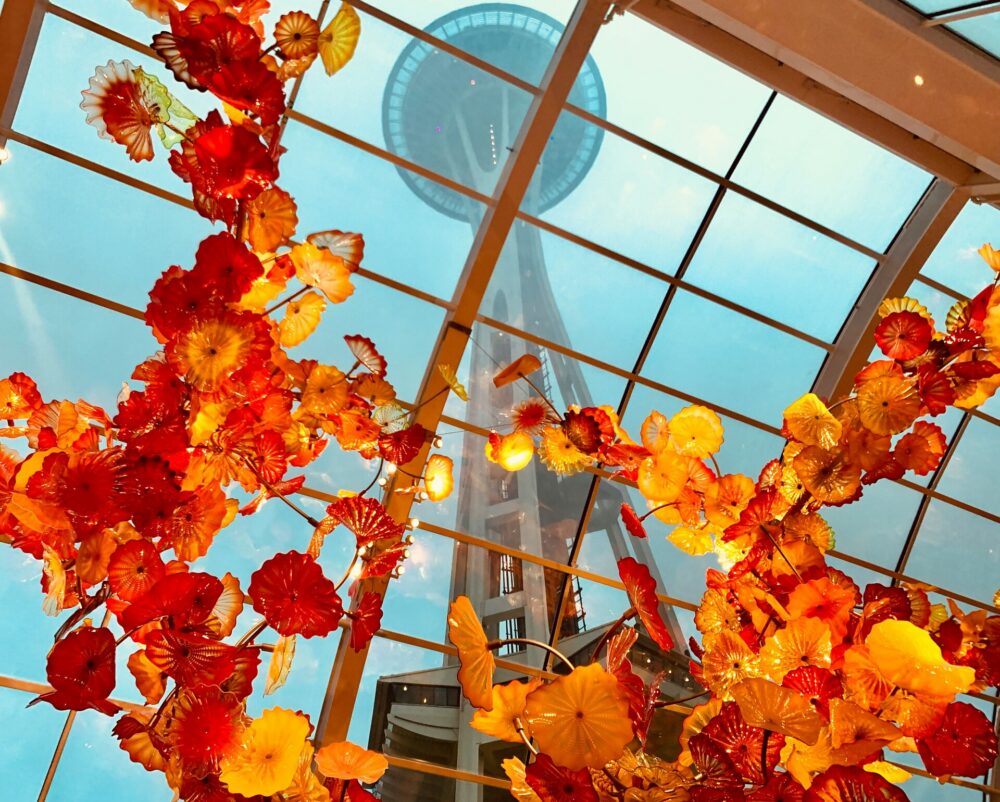
Queen Anne — Elevated Views and Elevated Living
Few neighborhoods in any American city offer Queen Anne’s combination of stunning historic architecture and dramatic views. Perched above downtown, it delivers unobstructed sightlines of the Space Needle, Elliott Bay, and the Olympic Mountains. Upper Queen Anne is quieter and residential; Lower Queen Anne buzzes with activity near Seattle Center. Best for professionals who want beauty and proximity without the intensity of Capitol Hill.
Fremont — The Quirky, Unapologetically Weird Heart of Seattle
Self-declared the “Center of the Universe,” Fremont leans into its reputation with pride. Home to a famous troll sculpture under the Aurora Bridge, a beloved Sunday flea market, and offices for Google and Adobe, it somehow manages to be both artsy and tech-forward simultaneously. Best for creative professionals and tech workers who appreciate character over uniformity.
West Seattle — The Beach Town You Did Not Know Existed Here
Connected to the city by a bridge (and fiercely protective of its semi-separate identity), West Seattle offers Alki Beach — a genuine waterfront strip where you can have bonfires, play volleyball, and watch the sun set over the Olympics. The pace is noticeably slower, the vibe is more neighborhood-centric, and the community loyalty is strong. Best for families and remote workers who want space, outdoor access, and a lower-key lifestyle without leaving the city.
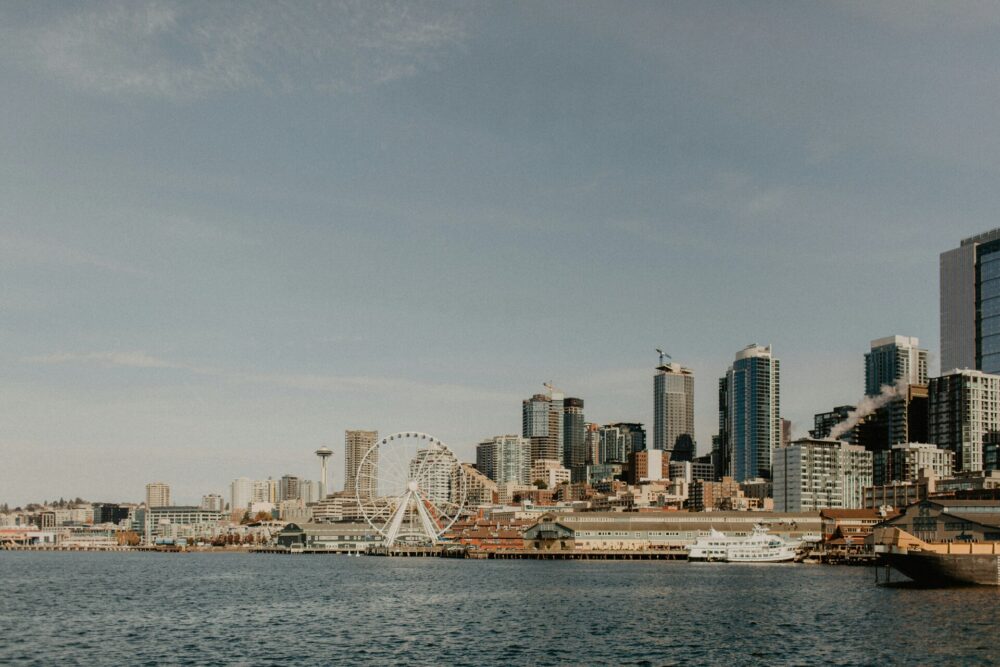
Seattle’s Job Market — Why the Pacific Northwest Is Where Careers Are Built
If Orlando’s economy runs on tourism, Seattle’s runs on innovation. In 2026, Seattle continues to rank among the strongest, most diverse job markets in the United States — and for transplants arriving with professional ambitions, the opportunities are genuinely hard to match anywhere else.
Major employers and industries driving the economy:
- Technology: Amazon and Microsoft anchor the ecosystem, with major campuses and tens of thousands of employees. Google, Meta, Apple, and Salesforce all maintain significant Seattle presences
- Aerospace: Boeing remains one of the region’s largest employers, with major operations in nearby Everett and Renton
- Global Health and Life Sciences: The Bill & Melinda Gates Foundation and the Fred Hutchinson Cancer Center position Seattle as a world leader in public health research
- Retail and Hospitality: Starbucks and Nordstrom are headquartered here, providing strong corporate and management career tracks
- Green Energy and Sustainability: A rapidly growing sector aligned with Washington State’s aggressive clean energy commitments
For professionals in STEM, engineering, healthcare, product management, or data science, Seattle represents one of the most compelling career destinations on the planet.
Smart Relocation Tips — What to Do Before the Truck Arrives
A move of this scale rewards preparation. The most successful long-distance relocations start weeks — sometimes months — before moving day. Here is what experienced cross-country movers recommend:
Before you pack a single box:
- Downsize aggressively. Seattle apartments and homes are generally more compact than what Florida square footage might have accustomed you to. Less to move means lower costs and less clutter in your new space
- Organize critical documents — birth certificates, social security cards, vehicle titles, and medical records — into a single secure folder you keep with you personally, never in the moving truck
- Research your neighborhood shortlist and, if possible, visit Seattle before committing to a lease. A long weekend spent walking different neighborhoods is worth thousands in avoided regret
Washington State requirements after arrival:
- New residents must obtain a Washington State driver’s license within 30 days of establishing residency
- Vehicles must be registered in Washington within 30 days — have your vehicle title ready
- Update your voter registration, insurance policies, and financial accounts promptly
Moving with pets: Seattle is one of the most dog-friendly cities in America — your four-legged family member will be welcomed almost everywhere. Ensure vaccinations are current and your pet is microchipped before the move. Most Seattle landlords are pet-accommodating, though pet deposits are common.

Car Shipping to Seattle — Protect Your Vehicle on the 3,000-Mile Journey
Unless turning your relocation into a two-week road trip vacation is genuinely part of the plan, driving your own vehicle from Orlando to Seattle is rarely the right call. The math simply does not favor it: fuel, hotel stays for five to seven nights, meals on the road, and 3,000 miles of additional wear on your vehicle add up faster than most people anticipate.
Car shipping to Seattle through Kerb gives you two clear options depending on your vehicle’s value and your budget:
| Transport Method | Timeline | Best For | Key Consideration |
|---|---|---|---|
| Open Auto Transport | 7–14 days | Standard vehicles, budget-conscious moves | Exposed to weather and road debris; safe and widely used |
| Enclosed Auto Transport | 7–14 days | Luxury cars, classics, high-value vehicles | Full weather and debris protection; higher cost, maximum security |
Driving yourself remains an option for those who want the adventure — but factor in 5–7 days, significant fuel costs, multiple hotel stays, and the fatigue of navigating mountain passes. It is a beautiful drive. It is also a significant undertaking with a loaded car.
The smarter move? Fly to Seattle, and let your car meet you there.
What Kerb Brings to Your Relocation
A 3,000-mile move is not a weekend project. It is a complex logistical operation that benefits enormously from professional experience — particularly when that move crosses multiple climate zones, mountain passes, and state lines. At Kerb, cross-country relocations are not a side service. They are our entire focus.
Services designed to take the weight off your shoulders:
- Full-Service Packing — Our team arrives days before your move date, professionally packs every item using high-grade materials, and labels everything systematically. You do not touch a single cardboard box
- Custom Crating — Artwork, antiques, motorcycles, or anything fragile or high-value receives individually engineered wooden crating built to survive the road
- Climate-Controlled Storage — If your Seattle home is not ready the moment your belongings arrive, we hold everything securely until you are ready for delivery
- Furniture Disassembly and Reassembly — We break down large pieces in Orlando and rebuild them exactly where you want them in Seattle
The route your truck takes matters, too. The most efficient path from Florida to Washington runs west on I-10 through the southern states, then north along I-5 through California and Oregon into Seattle. Alternative routes cut across the Midwest and join I-90 over Snoqualmie Pass. Both involve high elevations and seasonal weather variables — exactly why experienced long-distance drivers make all the difference.
Your New Life in Seattle Is Closer Than You Think
The distance between Orlando and Seattle is almost 3,000 miles, but with the right planning and the right team, that distance becomes nothing more than the space between who you were and who you are becoming. Seattle rewards the people who choose it — with opportunity, beauty, community, and a quality of life that is genuinely difficult to replicate anywhere else.
You do not have to navigate this alone. Kerb specializes in exactly this kind of move — complex, long-haul relocations where every detail matters and peace of mind is not a luxury, it is a requirement. From packing your last box in Orlando to placing your furniture exactly where you want it in Seattle, we handle everything in between.
Request your free, no-obligation quote today at kerb.com — and take the first real step toward your Pacific Northwest life.
FAQ
How long does the actual move take?
From pickup to delivery, transit typically runs 10 to 21 days, depending on route, seasonal conditions, and whether your shipment is consolidated with other loads. Your Kerb coordinator will give you a specific delivery window at booking.
Do I really need an AWD vehicle in Seattle?
Not strictly required for city driving, but strongly recommended. Seattle’s hills become genuinely treacherous during the occasional freeze or snowfall. If you plan to ski, hike, or explore the surrounding mountains — and you will — AWD or 4WD becomes essentially essential rather than optional.
How much should I save before making this move?
A comfortable reserve of $10,000 to $15,000 covers your moving company costs, travel, first and last month’s rent, a security deposit, and a financial cushion while you settle in. Arriving underfunded in an expensive city adds unnecessary stress to an already demanding transition.
Do I need to completely replace my wardrobe?
No — but you will need to add to it. Keep your everyday clothing, but invest in a quality waterproof rain jacket (locals rarely use umbrellas — wind makes them impractical), water-resistant footwear, and warm fleece layers. These three items alone will transform how comfortable you feel from day one.
 Hannah Michaelson
Hannah is a freelance relocation writer from NYC that has become an expert on packing and unpacking.