Moving to Phoenix is one of the most popular relocation decisions in the United States right now, and the numbers back that up. Thousands of new residents arrive every month, drawn by a strong job market, lower taxes, and a cost of living that makes far more room to breathe than coastal alternatives.
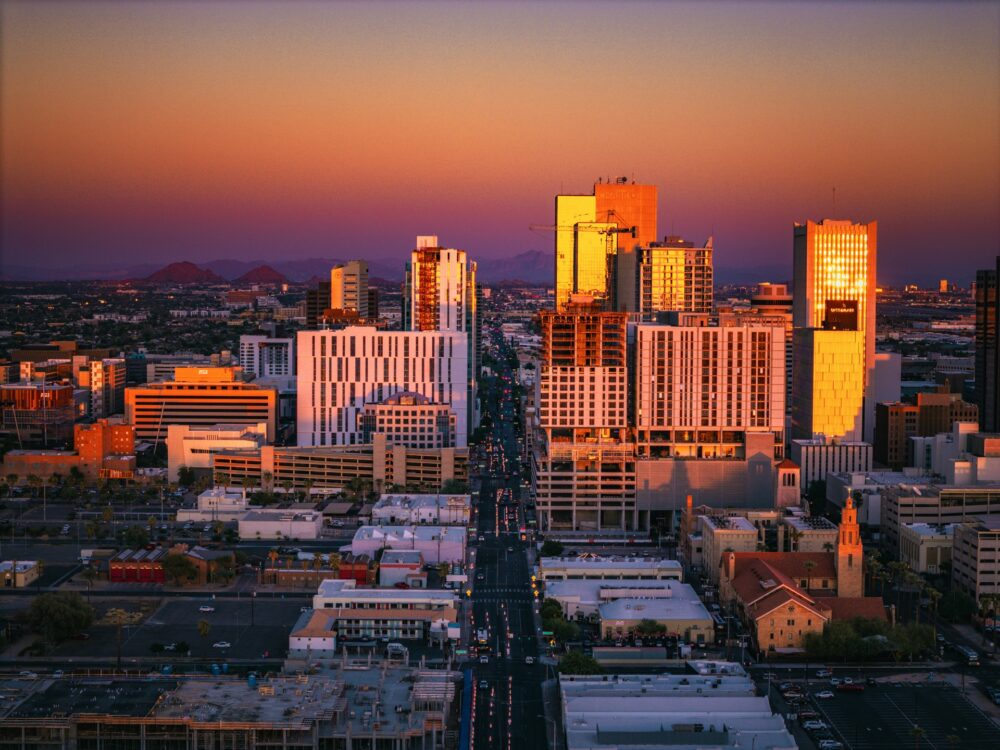
The city offers a genuinely different pace of life: more space, more sun, and more financial flexibility. At the same time, the desert climate is real, and settling in successfully takes more than good intentions. Whether you are relocating to Arizona from Chicago, Los Angeles, or Seattle, this guide covers what you actually need to know before you make the move to the Valley of the Sun.
The Phoenix Economy in 2026: Why the Jobs Are Here
For years, Phoenix carried a reputation as a warm-weather retirement destination. That image has shifted considerably. The metro area has become a serious hub for technology, advanced manufacturing, and healthcare, with companies setting up operations at a pace that has earned the region the nickname Silicon Desert.
The appeal for employers is straightforward. Compared to California or the Pacific Northwest, Arizona offers significantly lower corporate taxes, abundant land, and a workforce that has grown alongside the city’s expansion. Major names in semiconductor manufacturing, electric vehicle production, and software development now have large campuses in the Valley, and that corporate footprint continues to expand.
What This Means for Your Career
If you work in technology, engineering, healthcare, or logistics, the job market in Phoenix is genuinely strong. Salaries have risen steadily as companies compete for experienced professionals relocating from higher-cost cities. The economy is also well-diversified, which has historically insulated the region from the kind of single-industry downturns that hit other metros hard.

The Housing Market: More Space, Better Value
Housing is one of the most compelling reasons people choose Phoenix. Prices have risen with demand, but your money still goes considerably further here than in Los Angeles, San Francisco, or New York. The typical Phoenix home features an open floor plan, central air conditioning as a standard fixture, and a sizable backyard. A notable percentage of homes come with private pools, which are not a luxury here so much as a practical necessity during the warmer months.
Neighborhoods Worth Knowing
Because Phoenix is a large, spread-out metro, where you live shapes your daily experience considerably. Here is a practical breakdown of the most popular areas:
- Scottsdale: The go-to for those who want upscale living, high-end restaurants, world-class golf, and a lively social scene. Expect higher price points, but the lifestyle reflects that investment.
- Gilbert and Chandler: These East Valley suburbs sit at the center of the tech boom. Top-rated schools, low crime rates, and well-maintained parks make them popular with families. They are also within easy reach of many major employers.
- Downtown Phoenix and Roosevelt Row: A solid choice for young professionals who prefer walkability and urban energy. The area has grown considerably, with art galleries, craft breweries, and a thriving food scene.
- Peoria and Glendale: The West Valley offers some of the most affordable housing in the metro, along with newer developments and easy access to major sports stadiums.
Understanding the Climate: Summers, Winters, and Everything In Between
The heat is the part of Phoenix that surprises newcomers most, and it deserves a straightforward explanation. From late May through early October, temperatures routinely reach 45°C (113°F) or higher. This is not occasional. It is consistent, and it reshapes how residents structure their days.
How Summer Changes Your Daily Routine
Much like cold-climate residents plan their winters around indoor life, Phoenix residents plan their summers accordingly. The rhythm shifts, but it becomes second nature quickly. Here is what to expect:
- Air conditioning is the foundation of everything. You move from your home to your car to your destination, and all three are climate-controlled.
- Early mornings are your window. Walking the dog, going for a run, or tackling yard work needs to happen before 7:00 AM. After that, the sun is simply too strong for extended outdoor exertion.
- The heat is dry, not humid. You will not experience the thick, oppressive air of Florida or the Gulf Coast. The desert air is bone-dry, which means your perspiration evaporates immediately. Drink water consistently, even when you do not feel thirsty.
Why the Winters Make It All Worth It
From November through April, Phoenix is genuinely one of the most pleasant places to be in North America. Daytime temperatures sit around 22°C (72°F), skies are clear, and outdoor life opens up in a way that feels like a reward after the summer months. Hiking Camelback Mountain, dining on open patios, playing golf, and attending outdoor events are all part of a Phoenix winter that most of the country can only observe from behind a frosted window.
Getting Around Phoenix: Cars, Highways, and the Grid System
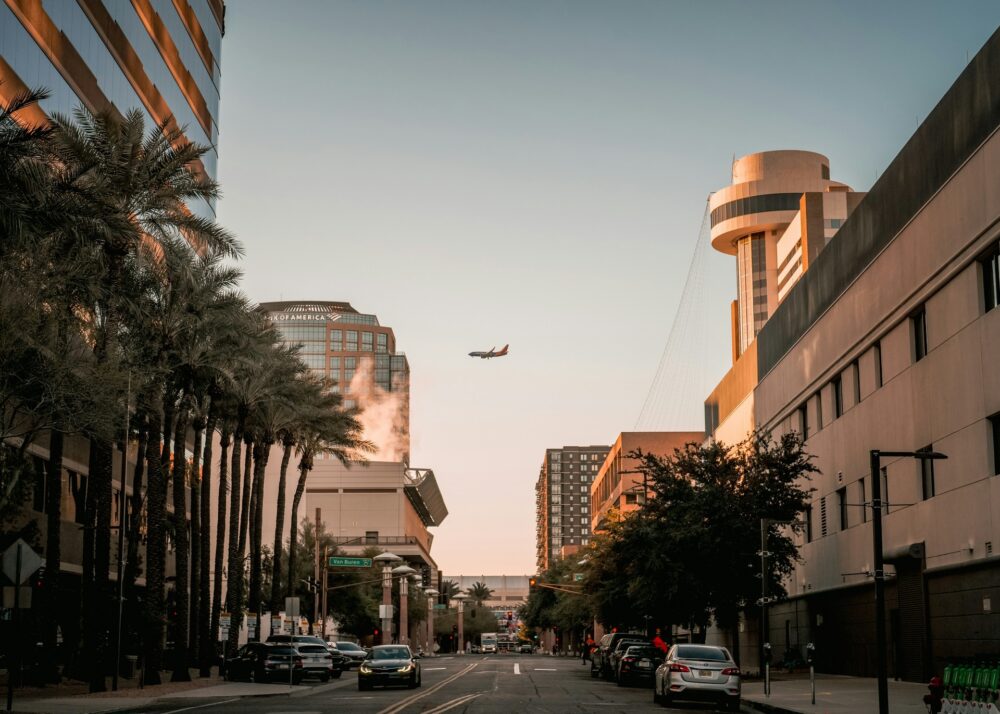
If you are coming from a city with strong public transit, this is the adjustment that will take the most getting used to. Phoenix is a car-dependent city, and there is no way around that. The metro area spans more than 14,000 square miles, and while light rail exists, it covers a limited footprint.
How the Grid System Works
On the positive side, Phoenix is remarkably easy to navigate. The entire metro is organized around a logical grid system. Streets run north to south on the east side of Central Avenue. Avenues run north to south on the west side. Major arterial roads are spaced exactly one mile apart. Once you learn the pattern, finding your way around becomes intuitive very quickly.
The highway network, which includes the I-10, the 101 loop, the 202 loop, and the 303, is well-maintained and, outside of peak commute hours, genuinely functional. Give yourself a few weeks to understand the flow.
Should You Ship Your Car to Phoenix?
Since a vehicle is non-negotiable in Phoenix, many incoming residents choose to ship their car rather than drive it across the desert. This is a reasonable decision, particularly during the summer months. Driving a fully loaded personal vehicle through extreme heat puts considerable strain on tires, fluids, and the engine itself. Flying into Sky Harbor International Airport and having your car delivered to your new address is a cleaner, lower-risk approach. Kerb handles this regularly for clients making the transition to Phoenix and can coordinate the logistics to fit your moving timeline.

Auto Shipping
Are you looking for the best auto shipping company near you? Give Kerb a call, ask for a free quote and book our top-notch car transportation services.

Packing Services
When the time comes for us to relocate, we seek to find any possible help that will ease the whole process.
Storage Services
Are you looking for storage services in your area? Kerb offers some of the best storage facilities in the country!
Cost of Living in Phoenix: A Practical Breakdown
Phoenix is more affordable than most major coastal cities, but the cost of living has shifted upward with growth. Here is a category-by-category look at what to plan for:
- Housing: Rent and mortgage costs remain lower than California or New York benchmarks, but expect a premium for homes in top school districts or properties with pools.
- Utilities: Winter bills are very low. Summer is a different story. Running your air conditioning around the clock from June through September will add meaningfully to your monthly expenses, so budget for it.
- Transportation: Between fuel, car maintenance, and insurance (which trends higher in high-traffic metros), transportation costs add up. Factor this into your monthly budget from the start.
- State income tax: Arizona operates on a flat income tax rate, which is a genuine relief for people coming from California or other high-tax states.
The Logistics of Moving to Phoenix: Why Professional Help Matters
Moving into Phoenix in the middle of summer is physically demanding in a way that most people underestimate. The combination of heat, dry air, and heavy lifting creates real risk. Professional movers who work in the Valley regularly are trained for these conditions. Attempting a DIY move in July or August, without that conditioning or the right equipment, is not something to take lightly.
What Happens to Your Belongings in an Unventilated Truck
A standard rental truck sitting in desert heat can reach interior temperatures well above 65°C (150°F). At those temperatures, electronics can warp or stop functioning entirely. Leather furniture dries out and cracks. Artwork, vinyl records, candles, and certain plastics will not survive the trip. These are not edge cases. They are predictable outcomes of moving fragile items through extreme heat without proper climate management.
How Kerb Approaches the Phoenix Move
Kerb was built around the idea that moving should be trackable, transparent, and handled by people who know what they are doing. For Phoenix relocations specifically, that means coordinating the timing carefully, using specialized packing for temperature-sensitive items, and giving clients real-time GPS tracking so they know exactly where their belongings are and when to expect arrival.
The tracking piece matters more than it might seem. In the past, a long-distance move meant waiting outside in the heat for an unknown stretch of time. With Kerb, you follow your shipment from your phone and step outside when the truck is two minutes away. You stay comfortable, your home stays cool, and the team loads or unloads with the kind of speed and coordination that comes from experience.
Kerb also offers specialized packing services and can advise on which items need extra protection for desert transit. If you have electronics, instruments, fine art, or anything heat-sensitive, that conversation is worth having before your move date.

Relocation Tips Based on Where You're Coming From
From the Pacific Northwest (Seattle, Portland)
You are trading persistent rain and gray skies for year-round sun, and most people who make this move do not look back. That said, the sun in Phoenix is far more intense than what you are used to. Invest in quality UV-blocking window film or blackout curtains early. A car windshield sunshade is not optional. Managing indoor heat through window coverage makes a noticeable difference in both comfort and energy costs.
From the Midwest (Chicago, Detroit)
You know how to dress for cold. Phoenix asks you to rethink your relationship with heat. The most important habit to build immediately is deliberate, consistent hydration. The desert air pulls moisture out of your body at a rate that feels deceptive, because you often do not sweat visibly. Drink far more water than feels necessary, especially in your first few weeks.
From California (Los Angeles, Bay Area)
The trade-off here is ocean air and mild coastal temperatures for significantly more square footage and a lower overall cost of living. Most California transplants adjust to the heat within one full summer. Before you pack, clear out heavy winter gear. A few light layers for winter evenings are all you will need. Kerb’s packing team can also help protect delicate coastal decor, furniture, and fragile items for the drive through the desert.
Making the Move: What Success Looks Like
A well-planned Phoenix relocation does not just survive the desert. It sets you up to enjoy everything the Valley has to offer from day one. The career opportunities are real, the housing value is real, and the quality of life during those long, spectacular winters is something most newcomers did not fully expect to appreciate until they experienced it.
The transition works best when the logistics are handled by people who know the route, know the climate, and know what your belongings need in order to arrive safely. Kerb has built its platform around exactly that: transparent pricing, dependable scheduling, real-time shipment tracking, and a team that treats your move with the same care you would. Request your customized relocation quote and start planning a move that goes the way it should.

FAQ
Do I really need a pool?
A private pool is not a requirement, but it dramatically changes your summer experience. If your home or apartment complex does not have one, prioritize finding a property that includes access to a well-maintained community pool. During June through September, it becomes a core part of daily life.
Are bugs and desert wildlife an issue?
Yes, to a degree. Scorpions, spiders, and the occasional coyote near suburban edges are part of desert living. Regular pest control is standard practice for most Phoenix homeowners, not an occasional expense. Keep door seals tight, schedule monthly exterminator visits, and the issue stays manageable.
What should I prioritize when packing?
Pare down heavy winter clothing significantly. Keep a few light jackets for cooler winter evenings and focus packing energy on protecting fragile and heat-sensitive items. Speak with your Kerb representative before your move date to go over anything that needs special handling. Electronics, instruments, and artwork deserve a specific plan.
How far in advance should I book my move?
Phoenix is one of the most in-demand destinations for long-distance moving, and reputable movers fill their schedules quickly. Booking four to six weeks in advance is a smart baseline. If you are targeting a summer move date, the earlier the better.
 Steven Rogers
Apart from sharing Captain America's name, our freelance writer Steven is also a big fan of moving, history, and geography.